
Webinar on how a targeted attack finds, breaks into and escalates privileges in an Oracle database inside the network, with the controls to prevent it and an auditing framework to detect it.
 Play the Recording: Hacking an Oracle Database and How to Prevent It
Oracle databases are a target for attackers looking for sensitive data such as credit card numbers and the personally identifiable information used in identity theft. Even though databases are not externally accessible, they are still at risk, since a targeted attack breaches the network perimeter, persists, moves laterally and searches the internal network for data of interest.
We show how an attacker finds databases, determines the SID, guesses passwords and escalates privileges, then present the controls that prevent such attacks and a framework for detecting them. DBAs and IT security can then limit who can reach their databases and audit for the signs of an attack.
Key Points
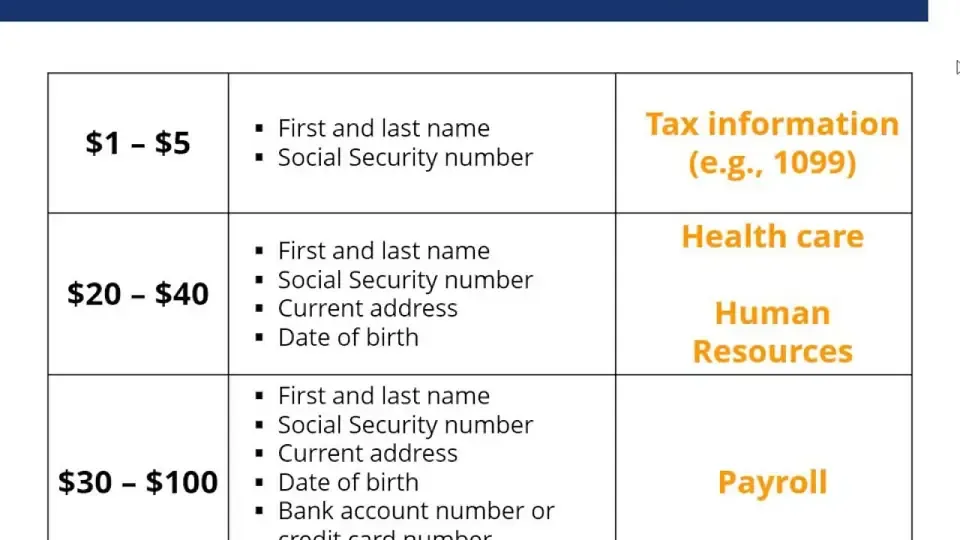
- To weigh the risk, value the data at black-market prices: $10 per unique, unexpired credit card, and $20 per unique SSN with name and date of birth or $50 per unique SSN with a bank account.
- Attackers look for databases passively, searching internal knowledge and code repositories for
tnsnames.orafiles and for passwords with"alter user" "identified by", and actively, stealing credentials saved in SQL Developer from DBA machines or scanning for Oracle's default port 1521 with Nmap, which is very noisy. - Nmap's
oracle-sid-brutescript guesses the SID andoracle-bruteguesses passwords, and in our sample of 120 production databases, mostly ERP databases such as SAP, Oracle EBS and PeopleSoft, DBSNMP still had its default password in 52%, OUTLN in 43% and CTXSYS in 32%. - Privilege escalation, the last step, exploits an unpatched vulnerability, so Critical Patch Updates give no protection until applied and hardening matters as much, and in an assessment of 15 key SOX and PCI databases at an organization with about 150 production Oracle databases, 28 other databases were compromised just through database links.
- Our #1 recommendation is to limit direct database access with firewalls in front of the data center, network ACLs, TNS invited nodes, Oracle Connection Manager or Oracle Database Firewall, with DBAs using bastion hosts, and then to apply Critical Patch Updates regularly, check constantly for default and weak passwords with more than one tool, and harden database configurations.
- To detect attacks, audit the 14 foundation security events in the Integrigy Guide to Database Auditing and Logging and send the listener log, alert log, SYS auditing, standard auditing and fine-grained auditing to a logging and monitoring system; this is traditional auditing (before 12c, or 12c Mixed Mode), which Oracle desupported in 23ai (now 26ai) in favor of Unified Auditing.